Combed cotton vs carded cotton is usually what separates two shirts that weigh the same, wear the same color and sit at the same price. One pills at the cuff after a month, the other still looks new after a year. The difference is in the yarn before it ever reaches the knitting machine. The difference is usually not the cotton’s origin. It is whether the yarn was combed.
From bale to yarn, in one paragraph
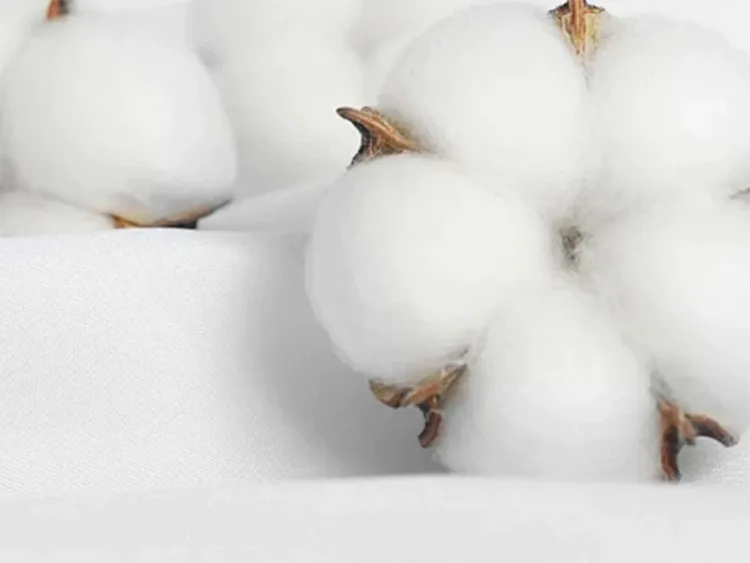
Cotton arrives in bales of compressed fiber. It is opened, cleaned and carded, which separates the fibers and lines them up into a loose rope called sliver. Carded sliver can go straight to spinning, or it can go through a combing machine first. Combed sliver then goes to spinning.
The combing machine is the whole difference. It removes short fibers below roughly 12 to 13 millimeters, plus neps, seed fragments and dust, and it lays the remaining long fibers parallel.
What combing actually changes
Strength goes up, because long fibers twist into a stronger yarn.
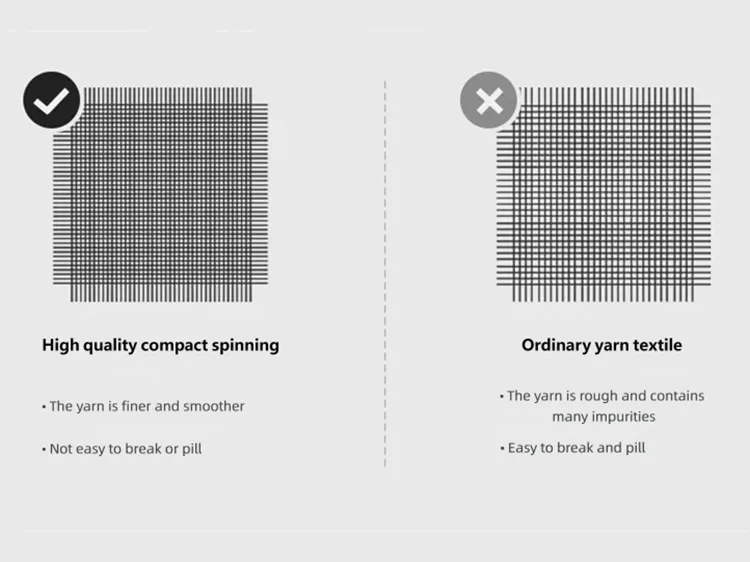
Surface smoothness goes up, because there are fewer protruding fiber ends to create friction and fuzz.
Pilling goes down, because pills are formed by short fibers working loose and tangling. Remove the short fibers and you remove most of the raw material for a pill.
Dye uptake improves, because combed yarn is more uniform, so the color is more even and less mottled.
The fabric feels cooler and drier in the hand, which sounds like marketing but follows from the surface: less fuzz means less insulation and less cling.
What it costs
Combing removes material. Yield loss is commonly in the 10 to 20 percent range, which means more raw cotton for the same weight of yarn. Add the machine time and the extra handling, and combed yarn typically lands five to fifteen percent above carded at the same count.On a 200 gsm t-shirt that difference is real but not enormous. On 50,000 pieces it is a decision.
Where carded cotton is the smarter buy
Carded is not a defect. It is a choice, and on several products it is the correct one.
Heavy fleece and brushed fabrics, where the surface is napped after knitting. The nap hides the fiber ends that combing would have removed, and the handfeel comes from brushing rather than from the yarn.
Workwear drill and canvas, where abrasion resistance comes from the weave and the weight, not from yarn smoothness.Towelling, where the loop pile defines the surface.Promotional garments with a short life and a tight budget, where the shirt will be worn a dozen times.
A carded 220 gsm t-shirt feels heavier and more substantial than a combed 180 gsm one, and for plenty of buyers that is the right trade.
Reading the label honestly
“100% combed cotton” is a factual claim if it is true, and in most markets it is not independently policed before it appears on a hangtag. It is worth asking for the yarn specification rather than the garment description.
“Combed ring spun” is more specific and more useful. Ring spinning is slower and produces a smoother yarn than open end, and combed ring spun is the combination that most premium jersey is made from.
“Soft combed cotton” means nothing legally. Softness can come from combing, from a silicone finish, or from brushing, and only one of those survives twenty washes.
How to check without a lab
Wash it five times at 40 degrees and dry it as your staff would.Look at the underarm, the cuff and the collar, which are where pilling starts first.
Hold it up to a window. A combed yarn shows a more even field of light; a carded one looks slightly cloudy and irregular.Rub the surface with a dark cloth. Loose fiber ends transfer.Feel it after washing rather than before. Finishes wash out, yarn quality does not.
What to put in the specification
If you need combed, write “combed ring spun cotton, 100%, 180 gsm, single jersey” and ask for the yarn count. If you are buying promotional tees and the budget is the constraint, say so and buy carded deliberately rather than being sold it by accident.
The expensive mistake is not choosing carded. It is paying for combed and receiving carded, which happens more often than the industry would like to admit.