Custom clothing lead time arguments almost always come from the same misunderstanding. The buyer counts days from the inquiry. The factory counts days from the moment the order is actually effective, which is a later and more precise moment. Most of the confusion around custom clothing lead time comes from that single difference.
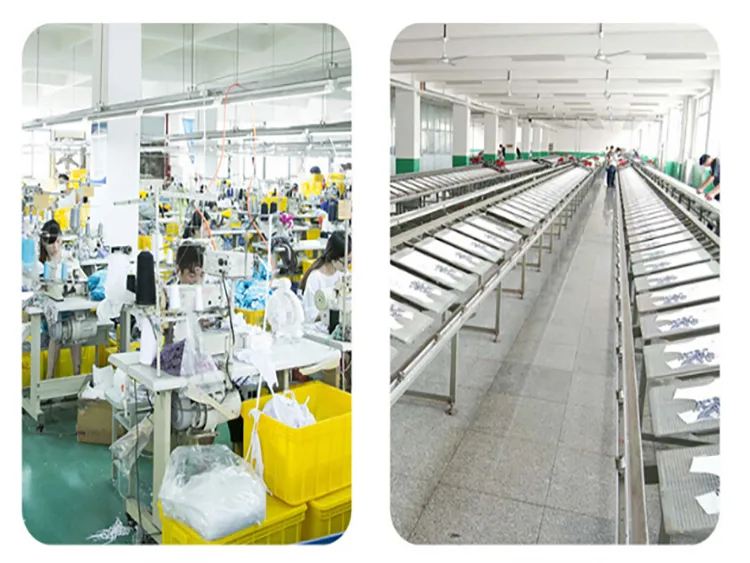
When the clock actually starts
Not at the quotation, not at the sample, not at the purchase order. The clock starts when two things are both true: the contract or order confirmation is signed, and the deposit has cleared.
Before that point we are holding capacity on a promise. After it, we can book fabric, book the line and commit to a date. Everything published about lead times assumes this starting point, and every explanation for a missed date comes back to it.
Stock garment plus logo, the fast route
If the shirt already exists in our warehouse and the only variable is your logo, the run is short.
Sampling or proofing the logo takes five to ten days from artwork and payment.
Production on 500 to 2,000 pieces takes about fifteen days from the effective date.
This is the route most first orders take, and it is the reason a small branded order can be delivered in under a month from first contact.
The limit is choice. Stock color, stock size, stock fabric. If your brand needs a color that is not on the shelf, you have left this lane.
Development, the route that needs a calendar
When you specify your own fabric, weight, fit and trims, sampling alone takes seven to fifteen days, and that span is honest rather than vague. A single logo on a stock shirt is at the fast end. A new pattern in a fabric the mill has to knit and dye is at the slow end.
Then bulk production runs:
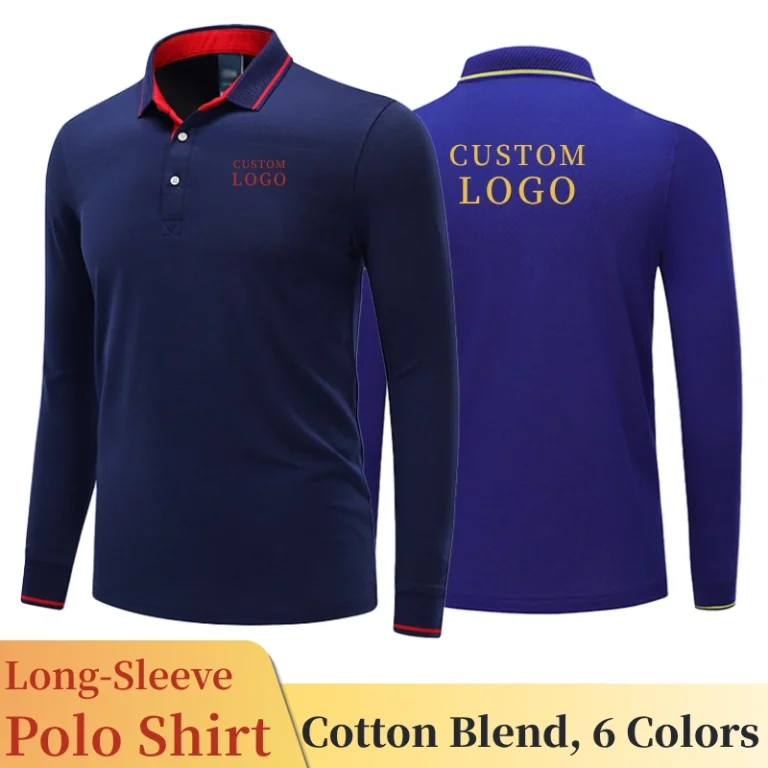
Polo shirts and t-shirts under 5,000 pieces, roughly 30 to 45 days from the effective date.
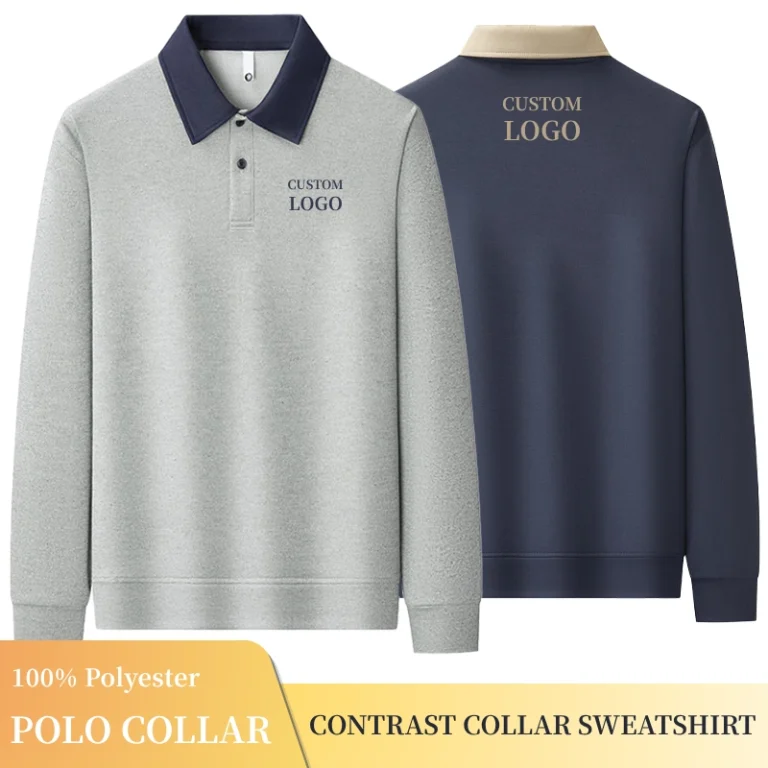
Sweatshirts, hoodies and workwear, roughly 35 to 60 days, because the fabrics are heavier and the sewing is slower.
Suits and dress shirts, roughly 35 to 50 days, because the construction has more operations per garment.
These are normal-season numbers. In peak season, add around ten days. Peak is not a fixed month across the industry, it depends on how loaded the factories are at the time, which is why we confirm the date against the actual schedule rather than quoting a standard figure and hoping.
The eight things that quietly push a date back
Artwork approved late. Production cannot start on an unapproved logo, and every day of silent waiting is a day off the end.
A Pantone chosen after sampling. The sample was made in one color and now the bulk is in another, so the dye lot moves.
Fabric that has to be re-dyed because the lab dip was not approved first time.
Trims that arrive late. A button, a zip pull, a woven label. One missing trim stops a finished garment from shipping.
Size split changed after cutting has started. The lay is already planned around the old ratio.
A color added late to an otherwise confirmed order. That is a new dye lot and a new run.
Chinese New Year. Two to four weeks of near-total shutdown, plus a slow ramp before and after.
Port congestion and blank sailings, which are outside anyone’s control but do affect the week the goods land.
Seven of those eight are decisions, not accidents. That is the useful part.
How to protect your date
Lock the artwork before you start the clock, not during production.
Approve the lab dip and the sample in one pass, with the person who has final authority in the conversation.
Confirm the size split before cutting, and treat later changes as a new order.
Order your trims and labels with the bulk, not after it.
Add a buffer to the date you actually need, not to the date you asked for. If the goods must be in store for a season launch, work backwards and tell us the real deadline. We would rather quote a date we can hold than agree to one we cannot.
What we will not do
We will not quote a production date before seeing your specification, and we will not quietly absorb a delay and tell you it is fine.
If the schedule is tight, we will say so at quotation stage, while you still have options: a stock color instead of a custom one, a simpler collar, a split shipment. After the fabric is in the dyehouse, those options are gone.