MOQ stands for minimum order quantity. It is the smallest number of units a supplier will put through a production run, and in custom clothing it is almost always quoted per design and per color rather than as one total.
Our MOQ is 200 pieces per design and per color. What does MOQ mean in practice? It means the number below which a factory cannot start a run without losing money on it. That number surprises some buyers and relieves others. Either way it is worth understanding where it comes from, because a supplier’s MOQ tells you what kind of operation you are dealing with.
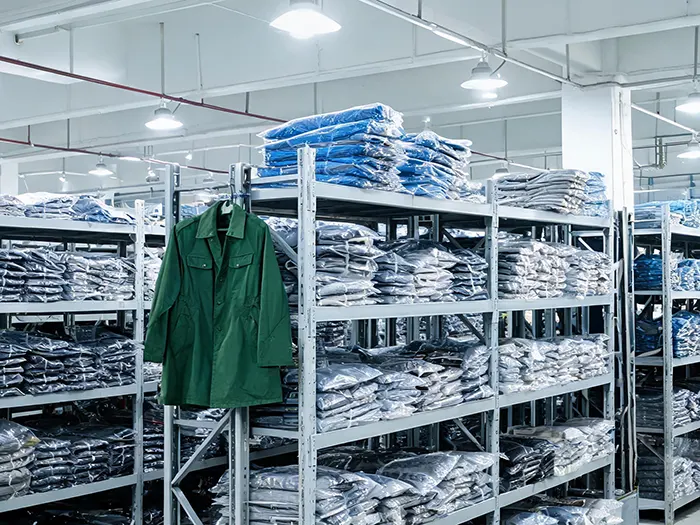
Why factories set a minimum at all
Four reasons, and only the first one is about profit.
Fabric is dyed in a bath, and a bath has a minimum. Below a certain weight of cloth the dyehouse still charges for the bath, the machine time and the setup, so the fabric inside a very small run costs more per meter than the fabric inside a large one. A factory that accepts 50 pieces has to absorb that difference somewhere.
Cutting is the second. Fabric is spread in layers and cut through many plies at once. A lay of 40 plies cuts 40 garments in the time it takes to cut 4. On a tiny order the cutting table is working at a fraction of its capacity.
Line setup is the third. Machines are retooled, thread is changed, the embroidery program is loaded, screens are burned and registered. That work is identical whether you run 200 pieces or 2,000.
Inspection is the fourth, and it is the one buyers never think about. Checking a run of 2,000 is not ten times the work of checking 200, but it is not free either. Small runs carry a disproportionate share of quality control time.
Why per design and per color, not per order
A color change is not a paperwork change. It means different fabric, a different dye lot, different thread on the embroidery machine, different ink on the screen. Two colors at 120 pieces each is not an order of 240. It is two runs, each below the minimum, and each carrying its own setup.
This is the single most common misunderstanding in first inquiries. A buyer asks for 200 pieces in five colors and expects a clean price. The honest answer is that 200 per color is the run, and 200 total across five colors is five runs of 40.
How to work below the minimum without paying a surcharge
There are legitimate routes, and they depend on how much of the shirt you want to change.Choose stock colors and stock sizes. No dyeing minimum applies because the fabric already exists in the warehouse. This is how small branded orders of 50 to 150 pieces are done every week.
Reduce the number of colorways rather than the number of pieces. Two hundred in one color is a clean run. One hundred in two colors is two short runs.Combine sizes, not colors. Size variation is absorbed by the cutting lay, up to a point. Color variation is not.
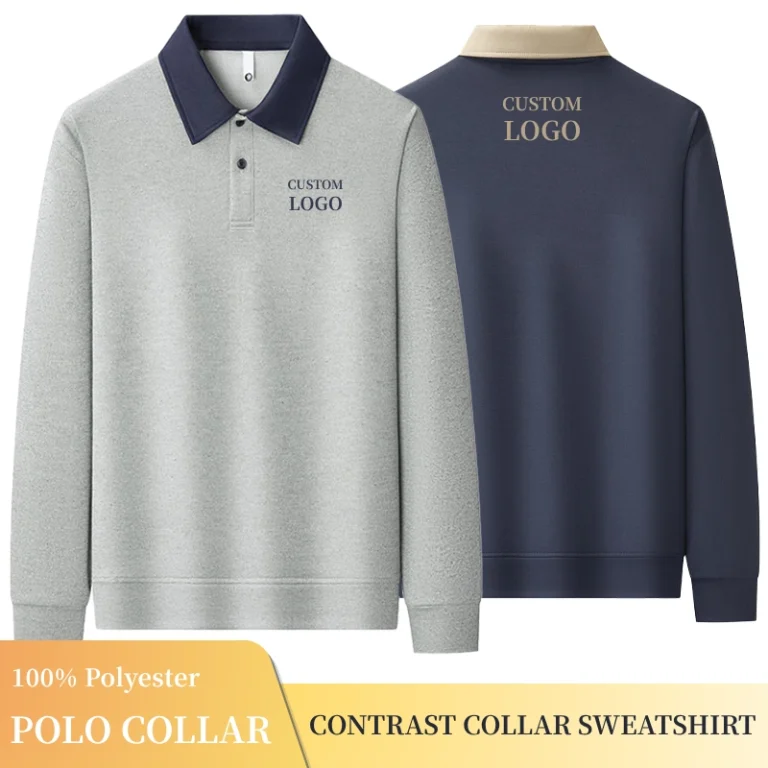
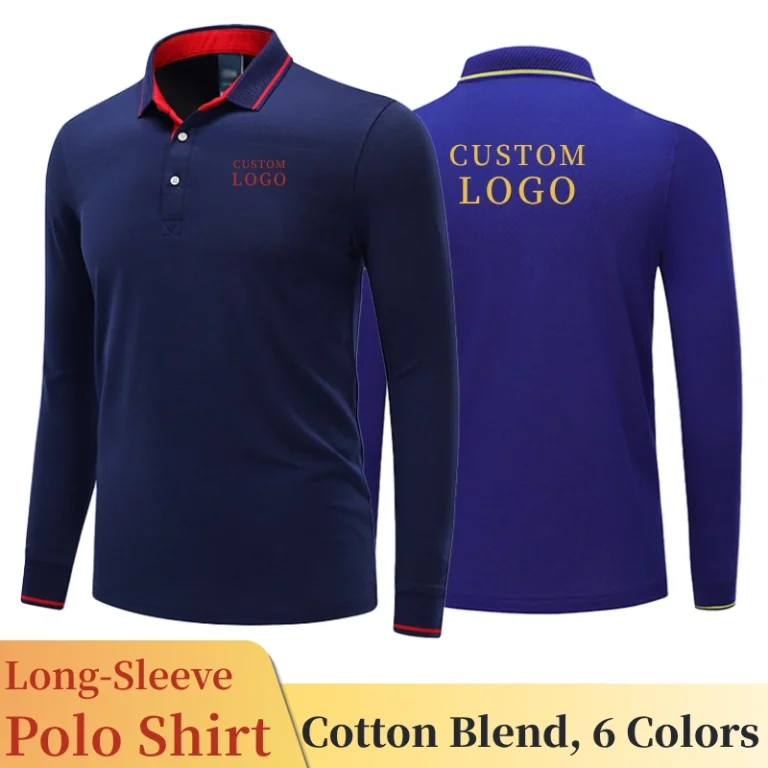
Use stock blanks plus decoration for the smallest orders. A stock polo or tee with an embroidered logo is our fastest route, five to ten days for the sample and about fifteen days for production on runs of 500 to 2,000 pieces once the order is effective.
If you genuinely need 30 or 50 pieces in a custom color, expect a small-order surcharge, and expect it to be honest rather than hidden in the unit price.
What changes when you go above the minimum
Above 200 pieces per color you are no longer limited to what is on the shelf. You can specify fabric weight and composition, collar construction, placket, trims, fit and labels. The unit price improves, but the timeline lengthens, because the fabric now has to be knitted or woven and dyed before cutting begins.
That is the real trade. Below the minimum you buy speed and flexibility. Above it you buy specification and price.
What MOQ is not
It is not the sample quantity. Samples are made singly or in twos regardless of the MOQ.It is not a minimum invoice value. Some suppliers set a dollar floor instead of a piece count, which is why two factories can quote the same product with very different-looking terms.It is not the same as the decoration minimum. A print shop may run one piece. A garment factory may not.
How to ask
Tell us the quantity per color, the size breakdown, and the date you need the goods. If your quantity is under 200 per color we will tell you which stock route gets closest to what you want, rather than quoting something we cannot actually run.