Ask three suppliers for a custom polo shirt price and you may get three numbers that differ by forty percent. All three can be honest. The difference is almost never the supplier’s margin. It is in five places you can inspect if you know where to look.
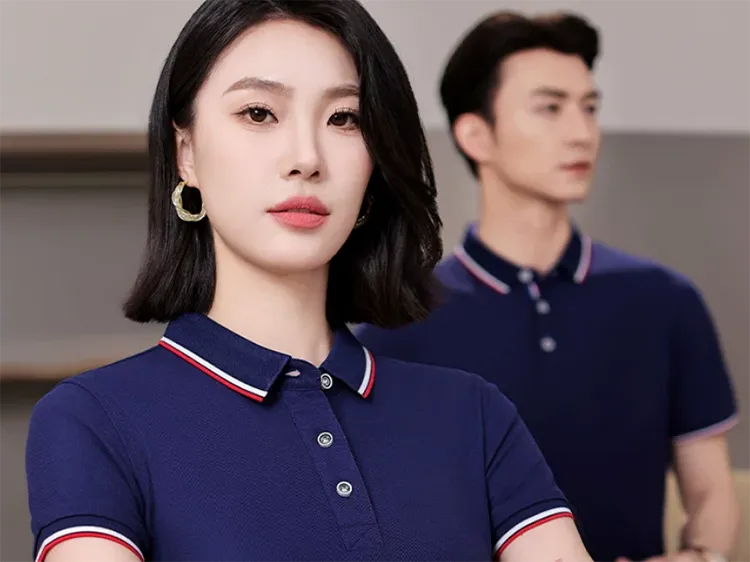
A polo is a knit with parts, not a t-shirt with a collar
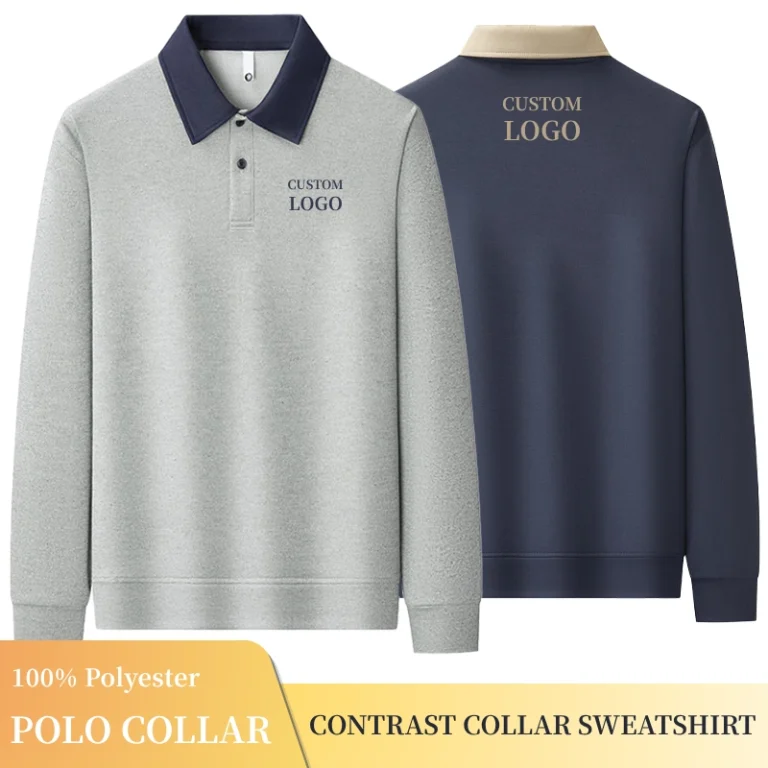
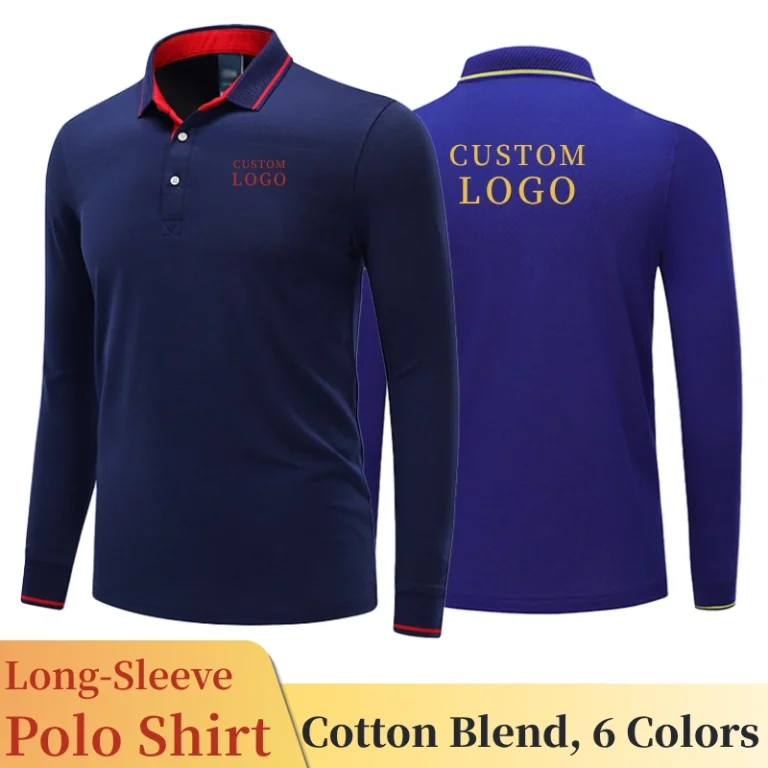
The t-shirt is the cheapest garment in the industry to make. A polo is not a t-shirt with a collar sewn on. It carries a knitted collar, a placket with buttons and buttonholes, usually side vents, and often ribbed cuffs on the long sleeve version. Each of those is a separate operation on a separate machine.
That is why the gap between a basic tee and a basic polo is wider than most buyers expect, and why a cheap polo usually tells you something has been removed rather than something has been negotiated.
Fabric and weight
Cotton pique in the 180 to 220 gsm range is the standard for corporate and uniform work. Below 180 the shirt reads thin and the collar tends to collapse after a few washes. Above 220 it becomes a different product, heavier and warmer, which suits outerwear layering and not much else.
Polyester pique and cotton-poly blends cost less at the same weight and dry faster. They are the right call for outdoor crews, kitchens and events. They are the wrong call if the shirt is meant to feel like a premium giveaway.
Interlock and jersey polos sit above pique on handfeel and price. They drape more and photograph better, and they are usually specified by brands selling at retail rather than by companies outfitting staff.
The collar is where good polos separate
A knitted rib collar that matches the body costs more than a self-fabric collar cut from the same cloth. It holds its shape, which is the whole point of a polo. A soft, floppy collar looks fine on day one and looks tired by month three.
The placket matters too. Two buttons or three, fused or unfused, with or without a spare button. Fusing adds a step and a machine. On a uniform that gets washed weekly, it is worth the step.None of this shows up in a product photo, and all of it shows up in a quotation.
Decoration
Embroidery is the default for polos because the pique surface takes it well. It is priced by stitch count, and a left chest logo at 5,000 to 8,000 stitches is normal.
Screen printing on pique is possible and less forgiving. The textured surface needs a heavier ink deposit, the print sits on top of the knit rather than in it, and a large solid print on a coarse pique can crack along the knit lines. If the artwork is big and the budget is tight, a jersey or interlock body prints better than a pique one.Heat transfer and DTG give you detail and color count without screens, at a higher per-piece cost. For a 200 piece order with a photographic logo they are often the only sensible option.
Quantity, size split and color count
The per-piece price falls with quantity mainly because setup is amortised: the embroidery program, the screens, the cutting lay, the dyeing minimum.
Size split is quieter but real. A run weighted toward 3XL and 4XL uses more fabric per garment and reduces the number of garments per lay.Color count works the same way as it does on a tee. Three colorways at 200 pieces each is three runs, not one.
Why the two quotes differ
When a quote comes in well below the others, check four things before assuming you found a bargain.The fabric weight and composition, which may be lighter or a higher polyester content than you specified.The collar, which may be self fabric rather than knitted rib.Whether decoration is included at all, and at what stitch count.
And the shipping term, because a price quoted ex works and a price quoted delivered can differ by more than the garment.If all four match and the price is still lower, you have found a better factory. That does happen. It is just rarer than a spec difference.
What to send for an accurate polo quote
Quantity per color, size ratio, fabric and weight, collar preference, logo file or photo, decoration method, delivery date and destination. Give those eight and the comparison between suppliers becomes meaningful, because everyone is quoting the same shirt.