A custom clothing sample cost is the cheapest line in the whole order and the one that decides whether it works. Most buyers who end up disappointed did not have a production problem. They approved a sample too quickly.
Two kinds of sample, two timelines
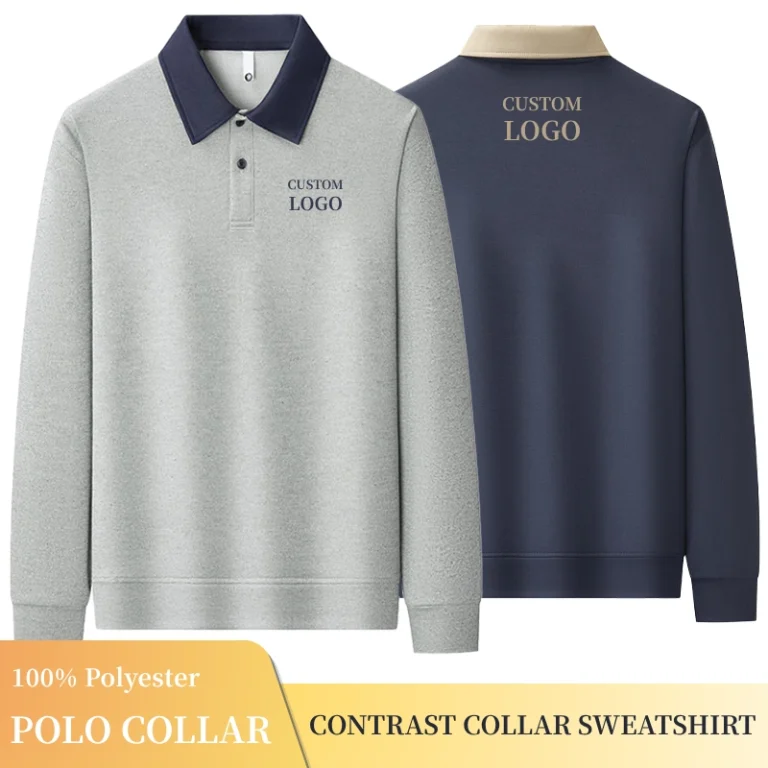
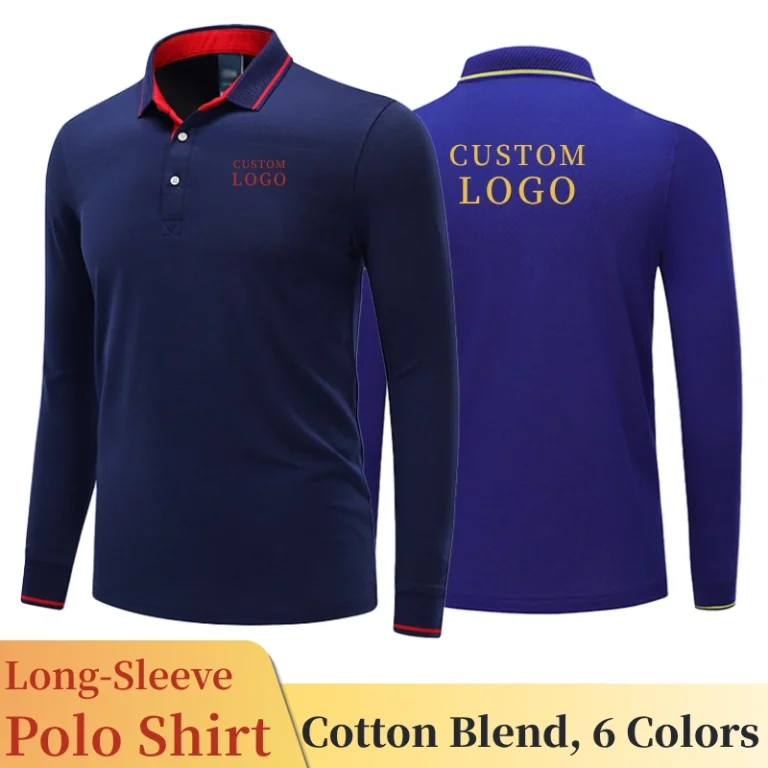
The first kind is a stock garment with your logo on it. The shirt already exists in the warehouse, so nothing has to be knitted, dyed or patterned. We proof the artwork, embroider or print one piece, and photograph it. That is normally five to ten days from artwork and payment.
The second kind is development. You want your own fabric, your own weight, your own collar, your own fit. Now a pattern has to be made, cloth has to be sourced or knitted, a small dye lot has to be run, and a sample machinist has to build one piece by hand. That is seven to fifteen days, and the span is wide because the variables are.
Neither number is a promise until we see the artwork. A single color chest logo on a stock polo is at the fast end. A four color print wrapping a sleeve on a fabric we have to source is at the slow end.
What the sample fee actually pays for
Pattern making and grading, which is skilled work and does not get cheaper because the order is small.Fabric and dyeing. Small dye lots are expensive per meter, sometimes two or three times the bulk rate.
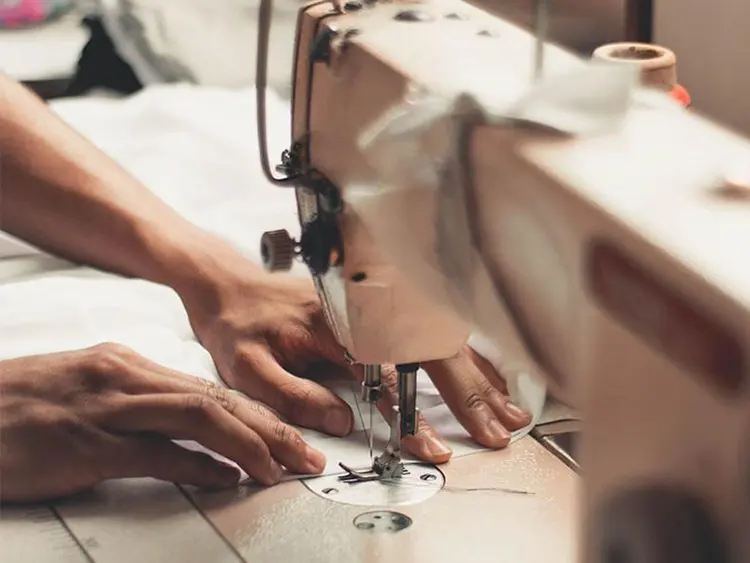
The sample machinist, who works at a different pace from a production line because there is no line.Decoration setup: digitising an embroidery file, or burning a screen for one print.
The custom clothing sample cost normally lands in the range of a few tens of dollars per piece, and it is not a markup on the garment. It is the cost of making one of something.
Does the fee come back?
Frequently, yes, as a credit against the bulk invoice once the order is confirmed. The condition is normally that the sample is a development sample for that order, not a standalone purchase. Ask before you pay rather than after. Any supplier who will not state the condition in writing is telling you something.
Seven checks before you approve
Measure the garment against the spec sheet, chest, length, shoulder and sleeve, laid flat and not stretched. A one centimeter difference at sample stage becomes a one centimeter difference across 2,000 pieces.
Compare the color to your Pantone reference in daylight, not under office lighting or on a phone screen. If you do not have a physical chip, buy one.Check logo position from a fixed point. Measure from the shoulder seam and the center placket, not by eye from the photograph.
Weigh or feel the fabric against what you specified. A 180 gsm and a 200 gsm knit can look identical in a photo.Wash it once at 40 degrees and dry it the way your staff will. Then measure again. Shrinkage of one to three percent in cotton knit is normal, and you want to know it now.
Look at the collar after that wash. If it has gone soft or curled, the collar construction is wrong for the price you are paying.Wear it for an afternoon if you can. Samples that pass every measurement sometimes fail on the body.
Why we ask you to wash the sample
Because almost every dispute we have seen in fifteen years was about something that only appeared after washing: a collar that lost its shape, a print that cracked, a black that bled into a white panel, a length that came up short.
None of that is visible in the approval photo. All of it is visible after one wash.
Approving remotely
Most of our buyers never touch the sample before it goes into production. That is workable if the evidence is good.
Ask for a measurement table with every point on the spec sheet, not a summary.
Ask for photographs on a neutral gray card so the color is not distorted by the background.
Ask for a short video of the collar being flexed and the placket opened, because stills hide how a garment behaves.
Then keep the approved sample. It is the reference both sides point at if a bulk shipment is questioned.
What slows a sample down
Artwork sent as a screenshot instead of a vector file, which means it has to be redrawn.A color described as “royal blue” with no Pantone, which means we guess and you reject.Changes made halfway through, which restart part of the process.
Fabric that has to be ordered in, especially in a color the mill does not hold.None of these are unusual. All of them add days, and the days come off the production window, not off the deadline.