The polyester vs cotton workwear argument has been running for forty years and it will never be settled, because neither fiber is better. They fail in different ways, and the right choice depends on which failure costs you more.
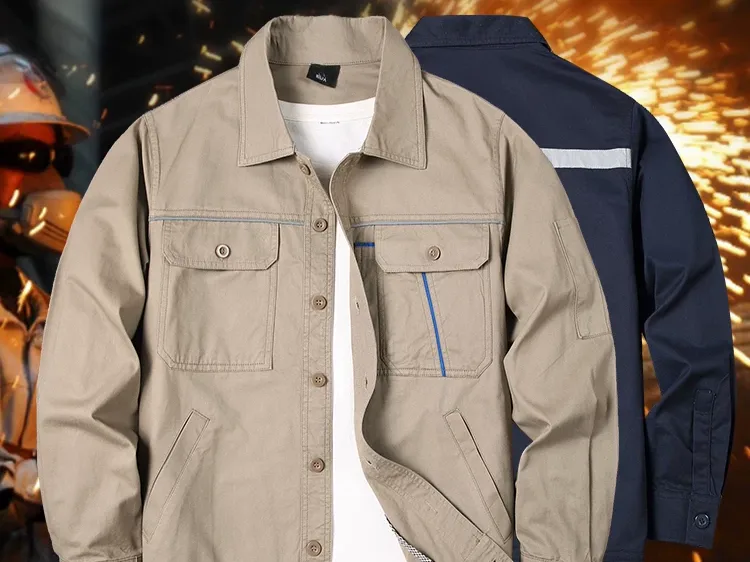
Two fibers, two failure modes
Cotton absorbs water. It takes up moisture into the fiber itself, which is why a cotton shirt feels cool when you put it on and heavy when you have sweated through it. It dries slowly, and while wet it conducts heat away from the body quickly.
Polyester does not absorb. It moves moisture along the fiber surface and out through the fabric, where it evaporates. It dries fast and stays light. It also holds odor, because the same oily skin compounds that cotton absorbs into the fiber sit on the polyester surface where bacteria can reach them.
That single difference explains most of the practical arguments you will hear on a factory floor.
Heat and sweat
In dry heat, polyester wins comfortably. A poly work shirt stays light, dries between tasks, and does not show sweat marks the way cotton does.
In humid heat, the advantage narrows. Polyester moves moisture only if the air can take it away, and in saturated air it stops working and starts feeling clammy. Cotton, which absorbs, feels wet but predictable.
For a hot kitchen, a foundry or a laundry, the honest answer is neither: you want a lightweight blend with a mesh back or vents, because the design does more than the fiber.
Abrasion and tear
Polyester is stronger. A polyester or poly-cotton garment outlasts an equivalent cotton one by a wide margin in abrasive work, which is why almost every uniform program eventually settles on a blend for trousers and outer layers.
Cotton is softer against the skin and more comfortable at rest. On a shirt that is worn eight hours at a desk and two hours moving, that matters.
Color
Polyester takes disperse dyes, and the result is exceptionally fast: it resists fading, bleeding and most washing cycles. This is why polyester uniforms still look black after two years while cotton ones have gone gray.
Cotton takes reactive dyes, which give rich, deep colors but fade under UV and degrade with chlorine bleach. If your laundry uses hypochlorite, cotton will not last.
Heat, sparks and flame
This is where the choice stops being about comfort.Cotton burns. It does not melt, and it does not fuse to skin. Polyester melts, and molten polyester sticking to skin produces a worse burn than the flame itself.
For welding, electrical work, or anywhere sparks are present, a polyester garment is the wrong material, and this is not a matter of preference.
Genuine flame resistant workwear is a different product again: it uses treated cotton, modacrylic blends or aramid fibers, and it must carry certification for the standard in force in your country. A polyester-cotton blend from a workwear catalogue is not flame resistant because it looks like the ones in the photo.
Industrial laundering
If garments go back to a commercial laundry, polyester survives the process better. It tolerates higher temperatures, stronger chemicals and repeated bleach more gracefully than cotton, which shrinks, yellows and loses strength with each cycle.
For an in-house laundry with a domestic machine, cotton is easier to care for and more forgiving of a hot wash.
The blends, honestly
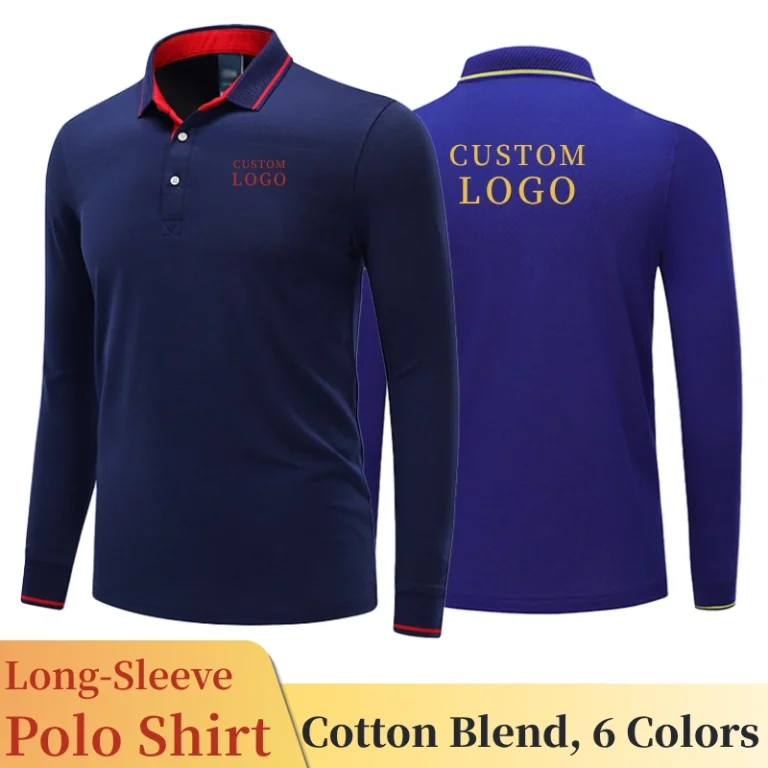
65/35 poly-cotton is the industry workhorse: enough polyester for strength and color retention, enough cotton for comfort and a matte surface. It is the default for a reason, and it is rarely the wrong answer.
CVC, chief value cotton, flips the ratio to 60/40 or higher in cotton’s favor. It feels like cotton, prints like cotton, and still has some of polyester’s durability. It costs more than 65/35 and less than 100 percent cotton.
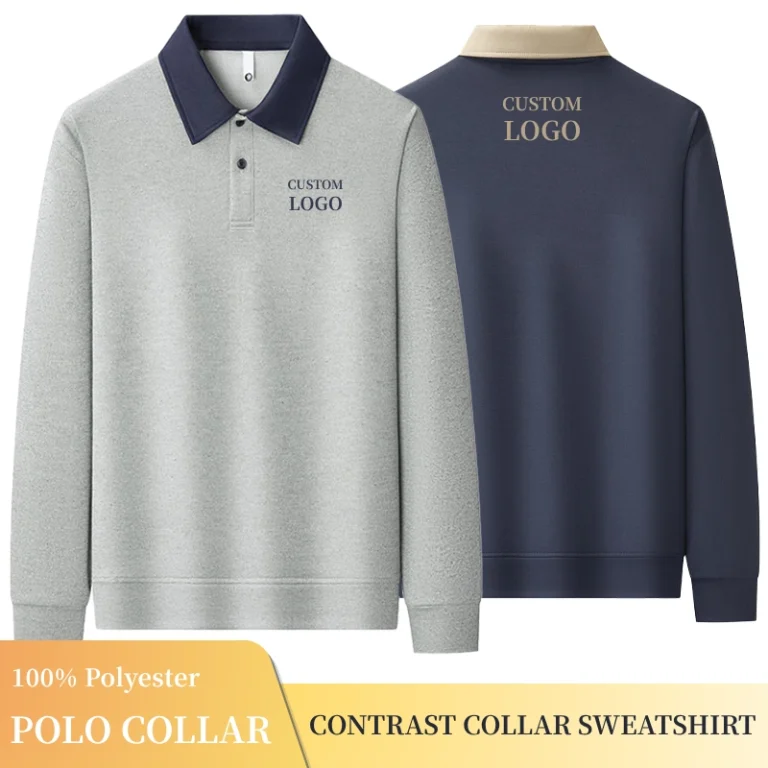
100 percent polyester is for performance: hi-vis, sport, moisture management, and where color retention over years is the whole point.
Choosing by job
Office, reception, retail: combed cotton or CVC. Comfort and appearance both matter and neither extreme is needed.
Warehouse and logistics: 65/35 poly-cotton. Durability and color, with acceptable comfort.
Kitchen and food processing: lightweight poly-cotton with ventilation, white where hygiene is visible.
Outdoor in summer: polyester with mesh panels, or a lightweight cotton if humidity is high.
Welding, electrical, spark risk: certified flame resistant fabric only, and never a standard poly-cotton blend.
What to ask a supplier
Ask for the composition by weight, not just the fiber names. Ask whether the fabric is certified, and for which standard, and ask to see the certificate rather than a logo on a brochure. Ask what the shrinkage is after five industrial washes, not after one home wash.
If the answer to any of those is vague, the fabric is probably being bought on price rather than on performance, and you will find out which at the point where it matters.